
In a production building, the compressed air system, including the compressors, supplies all the machines throughout the entire production process. Checking how your compressor is running is essential for higher efficiency. If you want to reduce potential compressor costs, you should plan maintenance and prepare for winter temperatures.
Planning all the activities needed to prepare for low temperatures is essential to avoid possible damage and so optimise the operation and condition of your air compressor. In this article we cover some of the steps to prepare for the winter season and achieve high compressed air quality.
01Why prepare your air compressor for low temperatures?
Preparing your air compressor for cold weather brings several medium- and long-term benefits: you will avoid possible breakdowns and reduce unexpected costs.
The main benefits are:
- Lower electricity bills: following the right steps to prepare the compressor and the whole compressed air system helps reduce energy costs.
- Uptime: when the compressor runs properly through the winter, interruptions and the costs that come with them are reduced.
- Lower risk of damage: general compressor maintenance reduces possible damage caused by frozen moisture, as well as repair costs and downtime.
02How to protect your compressor from low temperatures

To prepare for winter temperatures, you can take the following measures:
- Make sure your compressor runs in a room above 5 °C
- Check the insulation of the compressor piping and receivers
- Watch out for moisture: it can freeze
- Adjust the heat recovery system
- Keep an eye on the oil temperature
- Plan compressor maintenance strategically
Make sure your compressor runs in a room above 5 °C
The compressor room should be insulated or heated to ensure a minimum temperature of 5 °C. It is always a good idea to check the manual for the ambient temperature your machine requires. Heating the room is much safer than a small portable electric heater, which can cause a fire.
Check the insulation of the compressor piping and receivers

By insulating the pipes and receivers you keep their temperature above 0 °C and prevent ice from forming inside the pipes. Take the time to inspect critical points carefully to avoid damage and high costs.
Make sure the condensate does not freeze
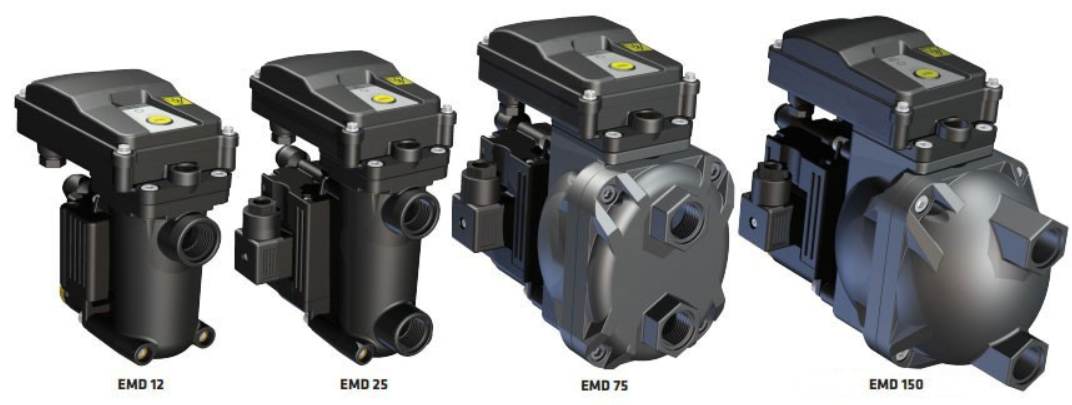
In winter, moisture and condensate in the compressed air system can freeze. Planning weekly checks and draining moisture properly is essential to avoid damage not only to the compressor but to the entire compressed air system.
Installing condensate drain valves is a very good idea. You can choose between mechanical, timer-controlled or electronic valves, which can discharge only water, without any loss of air.
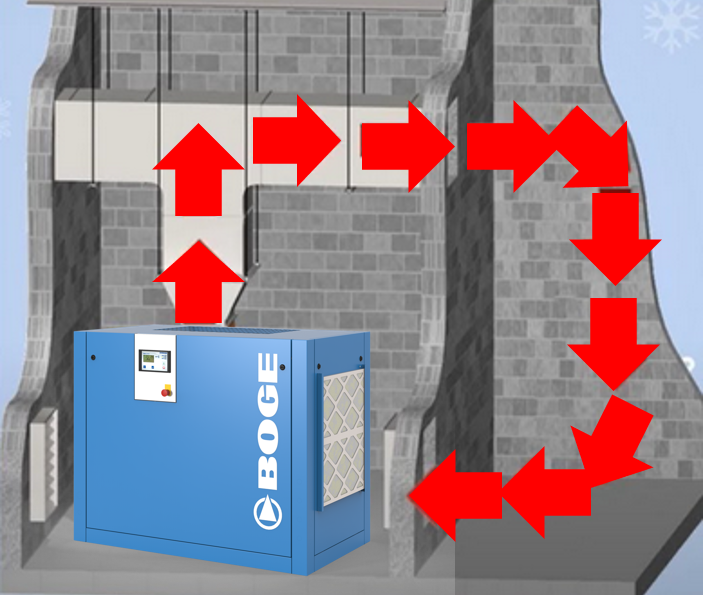
Adjust the heat recovery system
Keep an eye on the oil temperature
Monitoring the oil temperature is always a good idea. When the outside temperature drops, as is usual in winter, the oil temperature can drop too, which can damage the motor. So if the temperature in the compressor room is low (below 5 °C), warm up the area around the compressor a little before starting it.
Plan compressor maintenance strategically

To protect your compressor, check the condition of its components and make sure they can handle the daily load. This rule applies all year round, regardless of the outside temperature. Maintenance must be planned after a certain number of operating hours, in line with your compressor’s settings.
For more details, feel free to contact our expert team on +381 22 215 23 01 or write to us at office@tehnogama.com.