01Why proper electric motor maintenance is key – especially in compressor technology
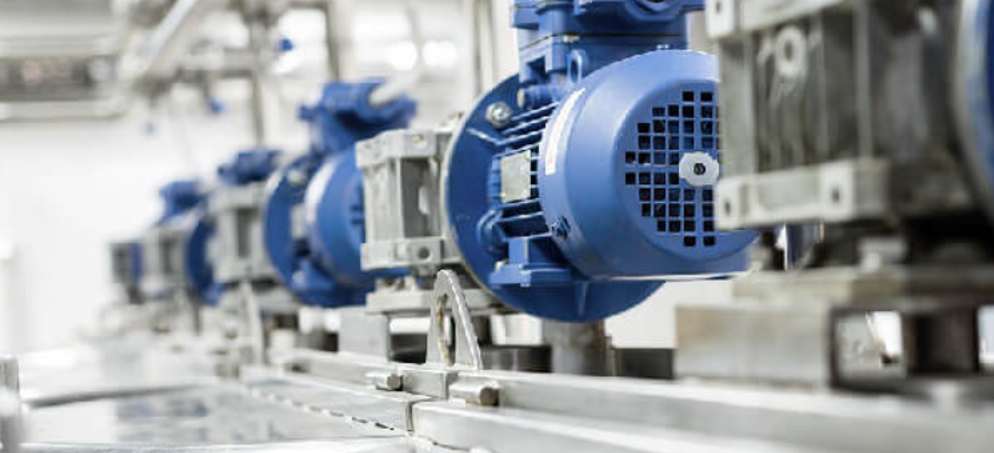
In modern industry the electric motor is an indispensable component of almost every production process. Especially in compressed air, where electric motors are the driving force of the compressor, their condition directly affects the overall efficiency and reliability of the system. Whether it drives a small piston compressor in a workshop or a powerful screw compressor in industry, the electric motor must run flawlessly, day after day.
In this article we look at best practices for maintaining and diagnosing electric motors, with a special focus on their use in compressor systems, but also in a wider industrial context.
02The role of the electric motor in compressor systems
The electric motor is the “heart” of the compressor – it converts electrical energy into mechanical power and drives the compressor unit. Its failure often means a complete production stop, especially in applications where compressed air plays a key role (automotive, food production, pharmaceuticals, assembly lines, hospitals…).
For that reason, electric motors must be not only reliable but also regularly maintained, to prevent costly breakdowns, unplanned downtime and loss of productivity.
03Electric motor maintenance – a practical guide
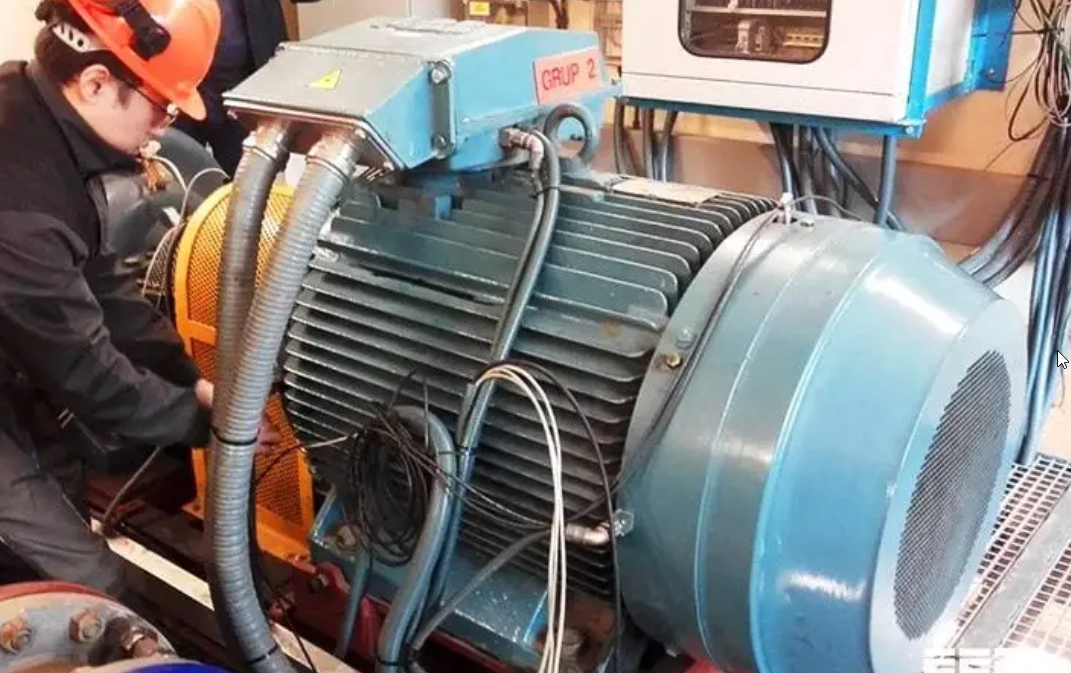
Electric motor maintenance can be divided into several key areas:
1. Regular inspection and cleaning
Visual inspection helps detect damage, signs of overheating, worn cables or loose connections early.
A clean environment around the motor is extremely important, especially where there is a lot of dust, oil or moisture – all of which can accelerate component wear.
2. Lubrication and bearing condition
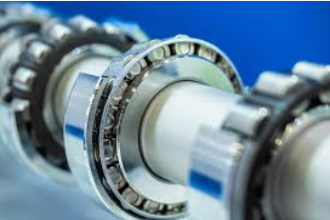
Bearings are among the most critical parts of an electric motor. Proper lubrication directly affects the motor’s service life.
- Use only lubricants recommended by the manufacturer.
- Over- or under-lubrication can lead to overheating and seizure.
- Regularly check the seals and the condition of the bearing housings.
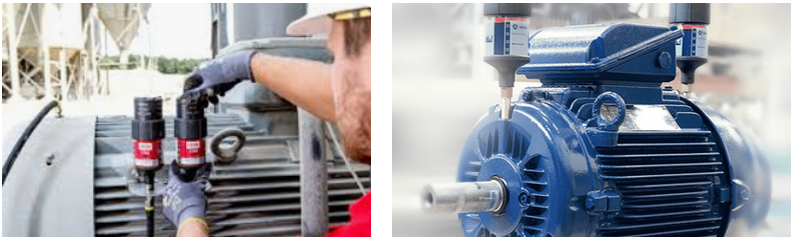
3. Electrical testing
- Insulation resistance is measured with a megohmmeter and allows early detection of insulation degradation.
- Winding resistance is used to detect open circuits, short circuits and imbalance between phases.
- Voltage and current monitoring reveals overloads and poor operating conditions.
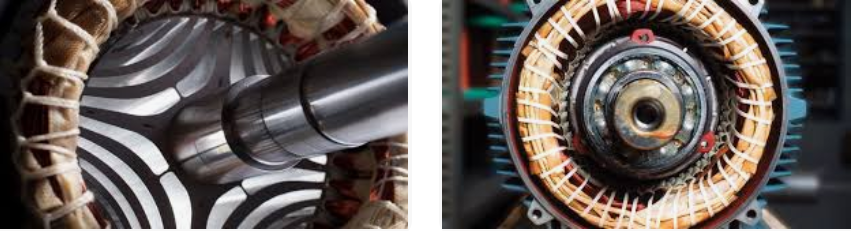
4. Vibration and mechanical stability
Any change in the motor’s behaviour – unusual noise, vibration, irregular movement – can indicate mechanical problems such as misalignment, rotor imbalance, bearing wear or loose components.
5. Temperature control
Elevated temperature is one of the first signs of trouble – it can be the result of overload, poor ventilation, poor cooling or winding problems.
Measuring the temperature of the housing and bearings gives insight into operating conditions and potential risks.
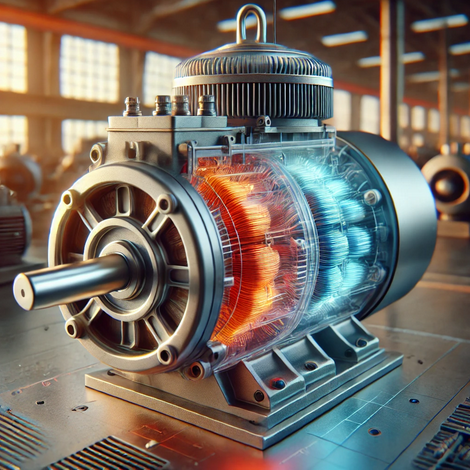
04The most common problems and how to diagnose them
Regardless of the industry, electric motors often face similar challenges. Some of the most common are:
- The motor does not start – check the power supply, fuses, start controls and contacts.
- The motor overheats – possible causes are overload, poor ventilation, voltage imbalance or bearing problems.
- Unusual noise – may indicate mechanical damage, worn bearings or even electrical arcing.
- Increased vibration – often indicates misalignment with the connected equipment, an unbalanced rotor or worn internal components.
- Weaker operation or loss of performance – check the power supply, winding resistance and the load on the drive.
- Frequent tripping – the cause may be incorrectly set protection, overload, a short circuit or a thermal problem.
05Best practices – how to extend the life of an electric motor
- Planned preventive maintenance – timely inspection, replacement of consumables and cleaning extend service life and reduce the risk of sudden downtime.
- Predictive maintenance – advanced equipment (vibration analysis, thermal imaging cameras…) is used to detect problems early.
- Staff training – qualified technicians understand motor behaviour better and react before a failure occurs.
- Monitoring and documentation – recording all inspections, tests and interventions provides insight into the history of operation and failures.
- OEM guidelines – following the recommendations of the motor and compressor manufacturer is a mandatory step in good maintenance.
06Conclusion
Whether they are part of piston compressors for workshops, screw units for industrial systems, ventilation systems or any other equipment, electric motors require attention, knowledge and systematic maintenance. With the right approach, companies can significantly increase productivity, reduce service costs and ensure long-lasting operation of key equipment.
At Tehnogama we believe that quality does not end with the delivery of equipment – that is where it begins. That is why our team of experts offers not only top-quality equipment, but also technical support, consulting and service, so that your electric motors – and with them your production – run without interruption.
If you would like more information on electric motor maintenance, or an inspection and diagnostics of your compressor systems, contact us – our team is here to find the solution.
office@tehnogama.com · +381 (0)22 215 23 01 · www.tehnogama.com