

Your compressor is a key part of your business operations. To keep it reliable, it is important to carry out many small repairs and checks, but it can happen that you neglect the bigger maintenance checks, which could put your operations at risk or cost you a lot of money in sudden, urgent repairs.
With a properly planned maintenance schedule, your air compressor can last for years and give you thousands of operating hours. We have all heard of spring cleaning at home; inspired by spring and the increased activity it brings, this article looks at spring cleaning of the compressor system.
As every manufacturer of compressed air equipment recommends, some compressor checks need to be carried out daily and before each use, that is, during operation. The tips that follow are simply smart additions to a regular maintenance schedule.
Before doing any work on the compressor, we remind you how important it is to consult the operating manual for the recommended schedule of activities.
01Spring maintenance of air compressors

02Check the input voltage
We usually carry out this check when the compressor is first put into operation, but it is useful to check the voltage during operation as well. Make sure that the incoming voltage to your air compressor is not too high and that the current draw is within the reference range. Too much input current can lead to serious equipment failure and, as a result, to large unplanned costs.
03Test for air and fluid leaks
Oil leaks are easy to spot by inspecting the area where the compressor operates. Air leaks are a little harder to detect, so listen for sounds and try applying soapy water to the spots where leaks most often occur (hoses, couplings, valves, condensate drains and similar). If bubbles appear, there is a leak. If you would like a professional inspection of the entire installation, contact us for our ultrasonic leak detection service.
04Check the differential pressure across the filters
Look at the differentials on your filter. The inlet pressure into the filters should be very similar to the outlet pressure from the filters. Installing differential pressure gauges gives a clearer picture: analogue or digital, they show in an obvious and accessible way whether the filter element is saturated (increased differential pressure) or in good, “healthy” condition.

05Monitor the compressor’s operating temperature
Overheating is one of the bigger problems you can face with a compressor. It leads to reduced efficiency and higher maintenance costs, and it can force you to replace the system before the end of its expected service life. The operating temperature of the compressor should be monitored and recorded regularly to make sure the equipment does not overheat.
It is also a good idea to check that your compressor has enough space for proper ventilation — this is especially important during the hot summer months. Every compressor needs a sufficient supply of fresh intake air, as well as a well-designed duct for exhausting warm air.
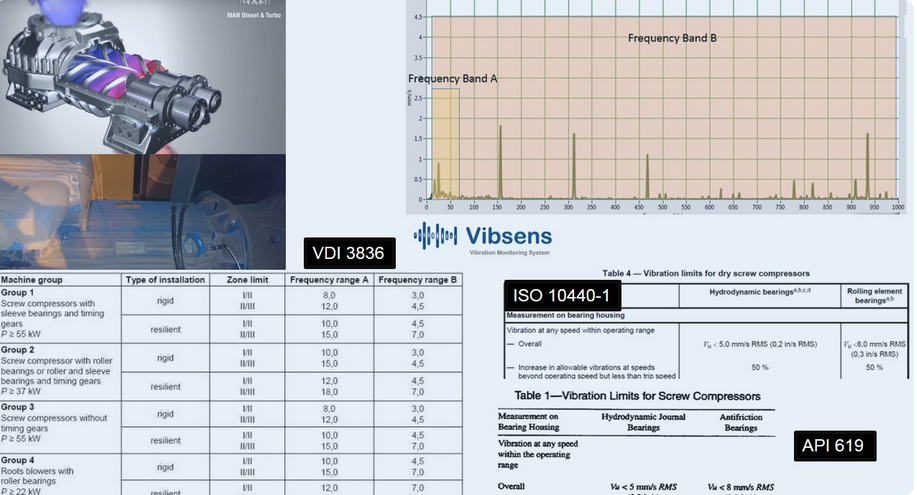
06Check compressor vibration
Check the vibration levels on the motor and the screw element to make sure your unit does not exceed standard vibration levels. The vibration condition of the motor and screw element is easy to determine by ordering a vibration measurement and comparing the measured values with the recommended reference values for that compressor power. A timely response (an overhaul or a new compressor) will certainly save you from unplanned downtime and costs.
07Check the compressor oil
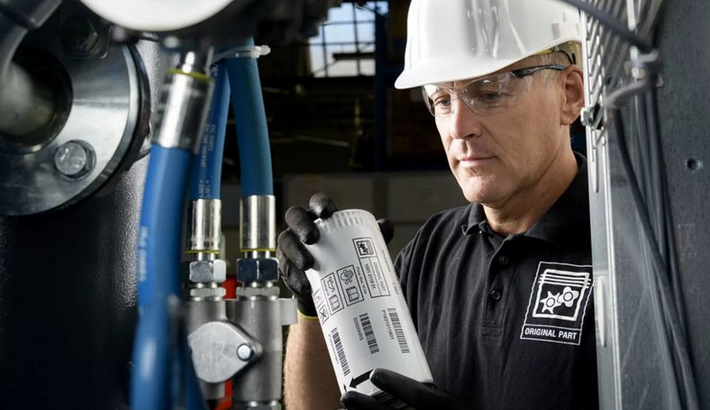
It is useful to take a sample of the oil in the compressor system to check for potential problems. The sample is checked for the presence of other particles. Excessive sludge, dirt or metal particles can be a serious warning sign.
You may need to hire a professional company to test the oil samples, but prevention is much cheaper than the cure when it comes to replacing a system because of oil or coolant failure. A change in the colour of the oil is a clear sign that it is time to replace it.

08Inspect the hoses and intake valves
Two common places where problems can arise are the intake valves and the hoses of your air compressor. Dirty or clogged intake valves can damage your compressor. Clean them thoroughly and blow them out with compressed air to remove dust.
After that, pay attention to the hoses. If you notice cracks or signs of corrosion, you may soon see leaks that can put a lot of stress on your compressor. Replace them as soon as you notice cracks, cuts or any other damage.
09A good old, thorough cleaning
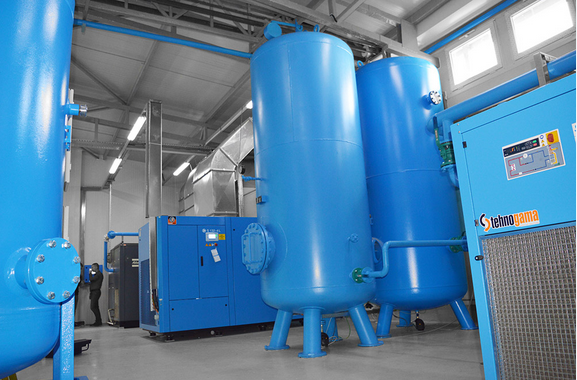
It is worth cleaning the compressor thoroughly at least a few times a year, and if not that often, then at least put it on your spring air compressor maintenance list. Start by checking the compressor cooler and make sure it is free of dust, oil and debris. We also recommend taking the time to clean the area around the compressor. A clean compressor room makes it easier to detect any leaks.
10Changing the oil in the screw element
Oil-lubricated compressors, as the name suggests, use oil to operate. The oil becomes contaminated by the intake air and, depending on the conditions and the manufacturer’s recommendations, must be changed every 2,000 or 3,000 operating hours, or even more often if the compressor room is located in an area full of dust, pollen and other airborne contaminants.
11Spring maintenance of air compressor filters
Screw compressors also require regular checking and replacement of air filters. If air filters are left unchecked or unchanged for too long, the efficiency of the compressor drops.
When efficiency drops, the compressor needs more energy to deliver the power required by the applications it serves. As energy consumption rises, so do costs. Regularly and properly maintained filters can save a lot of money every year.
12Draining the compressor receiver
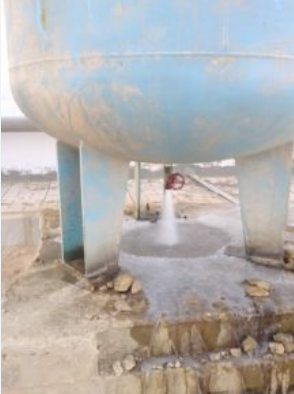
When you use an air compressor, it draws in air from the surroundings, which is often full of water vapour. As the pressure rises and the air is compressed in the receiver, the water is compressed too and gradually reduces the volume of air the compressor stores in the receiver.
This problem is easily solved by regularly cleaning the drain valve, that is, by draining the collected condensate from the receiver.
13Set up and follow a preventive maintenance schedule
Just as in our “human” system, in a compressor system prevention is half the cure! In line with good practice and the equipment manufacturer’s recommendations, drawing up and carrying out a maintenance plan is crucial for reliable compressor operation. The plan consists of daily, weekly, monthly and annual activities, as well as activities based on the number of operating hours.
The care and attention of a good user is the basic prerequisite for long and reliable operation of a compressor system, as well as for its efficiency.
Spring cleaning and tidying of the compressor system may not be in the manufacturer’s manual, but it is certainly a sign of your care for the compressor system, in the spirit of a good user and good business practice.