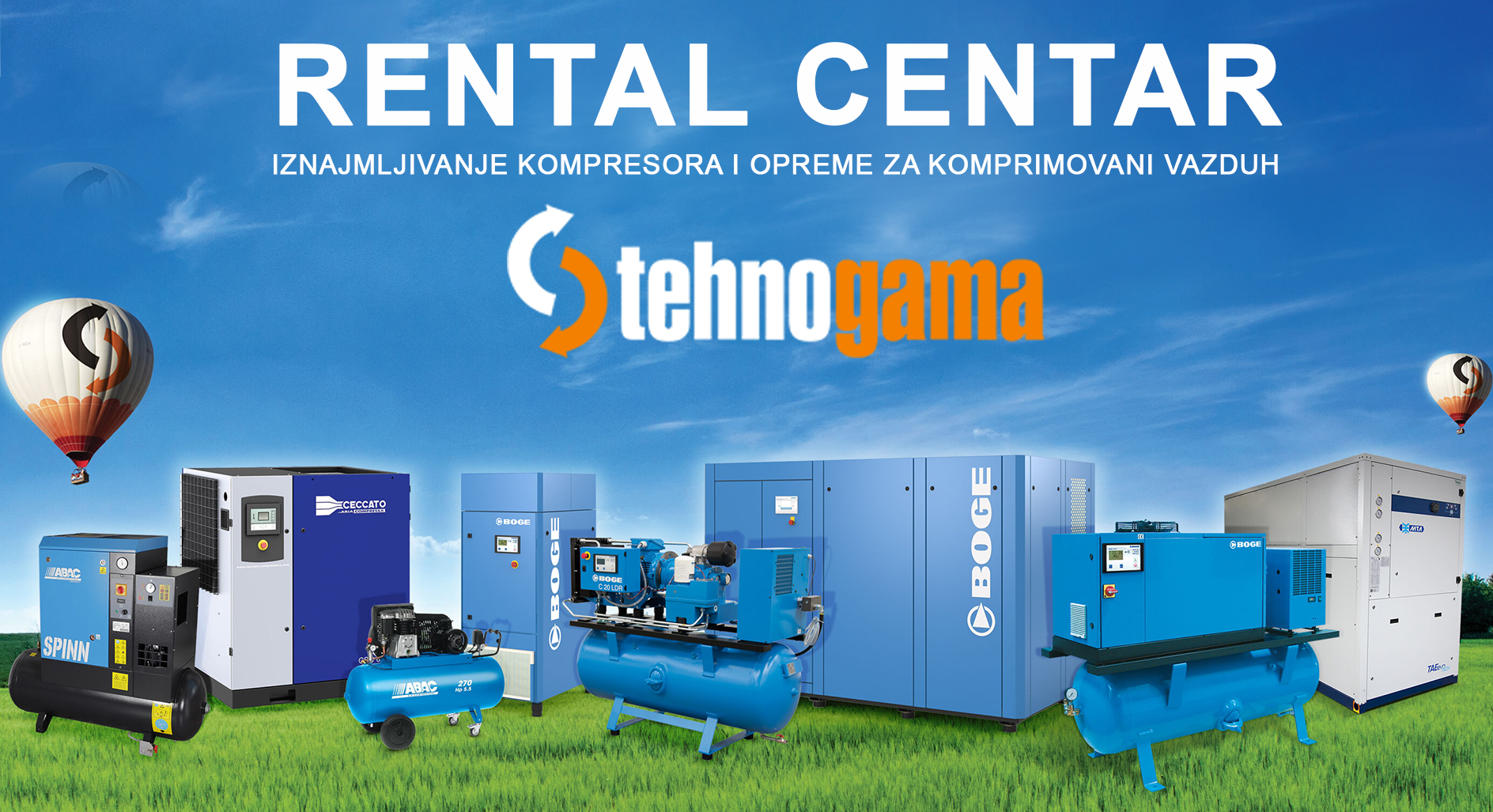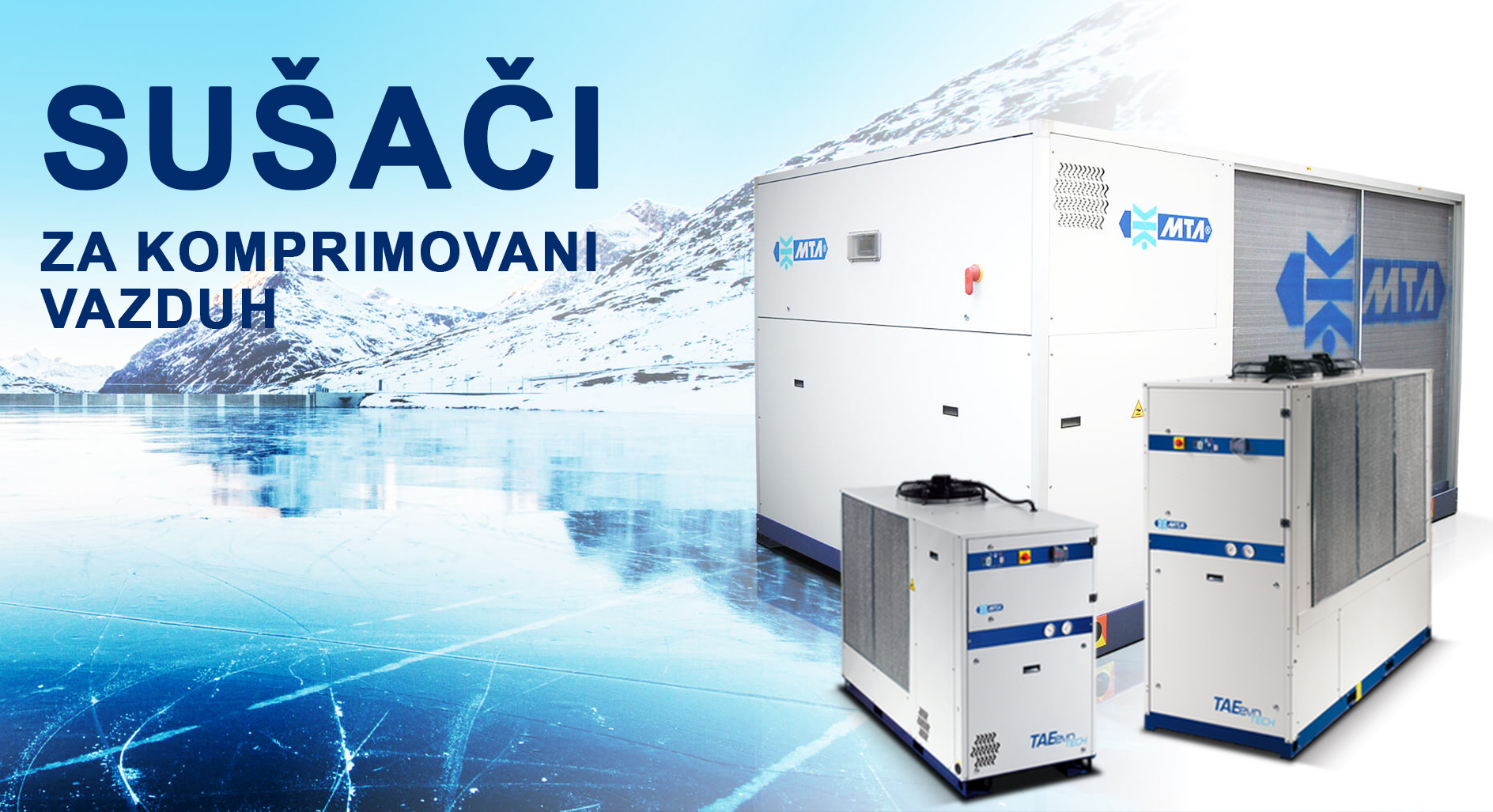

Compressed air is one of the most widely used energy carriers in industry. Quality, energy-efficient compressors are certainly key elements of a compressed air system, but without proper air treatment and measuring equipment it is impossible to deliver good-quality, effective compressed air.
Consistent product quality, process optimisation and energy savings are just some of the reasons why measurements need to be carried out in compressed air and technical gas systems.
The required quality of compressed air is dictated by the application or production process itself. If we want a good-quality, affordable energy carrier, we need to invest in a quality, energy-efficient screw compressor, but also ensure proper treatment of the compressed air with dryers and suitable filtration.
Inspecting and checking compressed air quality is necessary above all for the quality of the products themselves, whatever the industry.
Compressed air used in production processes contains contaminants such as water, oil and solid particles, which can easily end up in the final product.

Depending on the specific production process, the content of all these contaminants can be reduced to a concentration acceptable for that type of activity.
01What we measure
During measurement we determine the amount and type of every contaminant:
- Solid particles: 0.1 < d ≤ 0.5 µm; 0.5 < d ≤ 1.0 µm; 1.0 < d ≤ 5.0 µm
- Dew point: -100/+20 °C
- Oil aerosols: 0.003–10,000 mg/m³

02Reading the quality classes
Looking at the table, class 4 for water means the dew point must be ≤3 °C, which can be achieved by installing a refrigeration dryer.
Finally, class 1 for oil means the permitted oil content is ≤0.01 mg per 1 m³ of compressed air.
By ensuring this basic purity class of compressed air (1.4.1) we avoid damage to products as well as contamination of the piping.
Deviating from the basic purity class leads to product contamination (food, pharmaceutical, chemical industry, etc.) and can also cause failures of pneumatic equipment and machines.
03Measurement method for high-quality compressed air
Compressed air quality is measured with an OS 120 oil aerosol sensor, an OS 520 portable dew point meter and an OS 130 laser particle counter. If the measured values deviate, the maintenance staff receive a report on all critical points in the system so that the causes can be isolated and removed quickly and easily – whether the compressor is passing oil, the filtration system is saturated or something else is wrong.