“Ask, and you shall be shown!”
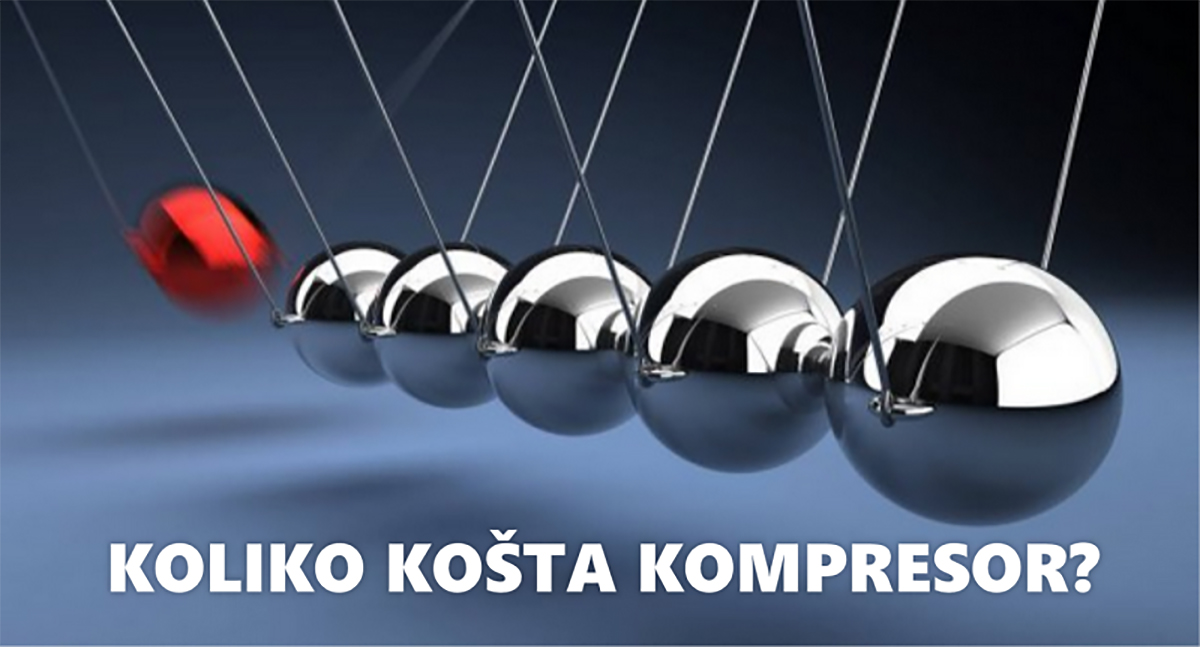
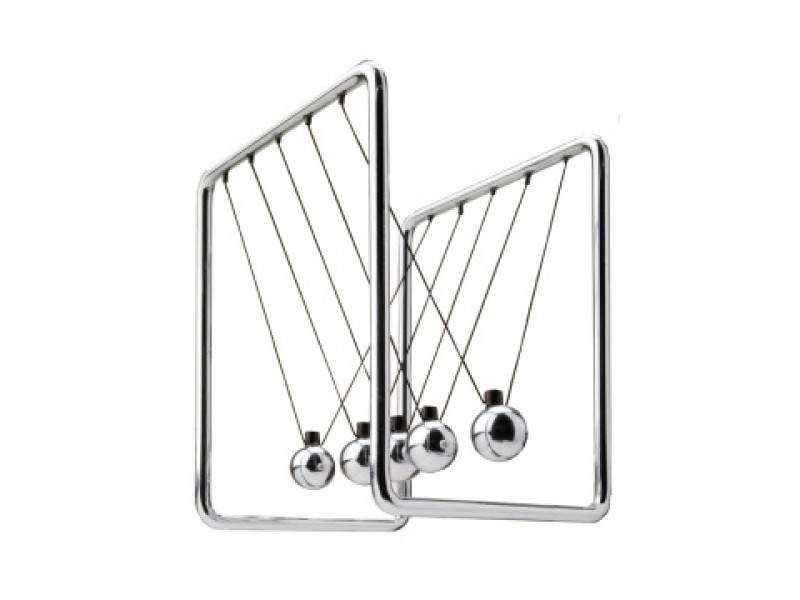
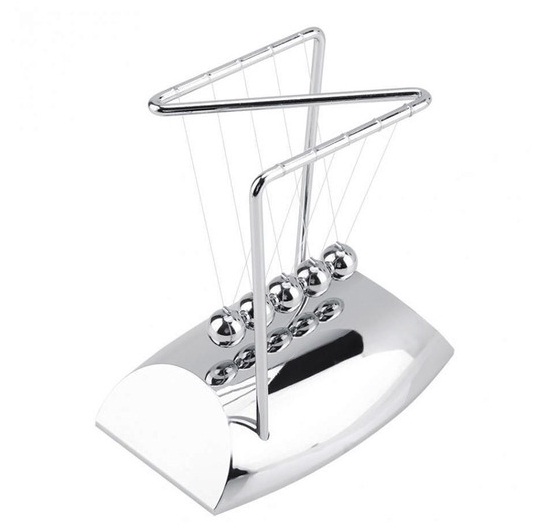
Newton’s cradle is a good demonstration of cause and effect, action and reaction. While all the balls are still, we just see balls hanging from a frame – and that’s it. Move one, two or more balls, and something happens: a reaction, perfectly proportional to the initial action. So it is only action that will prompt a reaction from the other side and turn every unknown into a known value, expressed in a way you can understand.
This post is about the action called “asking questions”.
01“How much does it cost?” or “How much will it cost ME?”
If you only ask “How much does a 45 kW compressor cost?”, you will very likely get a rather thin answer: “A 45 kW compressor costs XY.”
We assume that by “How much does a 45 kW compressor cost?” you actually mean “How much will a 45 kW compressor cost me if I buy it from company X?” But surely you won’t make your decisions based on someone else’s assumptions?
So if the real thought behind that first question is “how much will this compressor cost me?”, then to get a true picture you need to look beyond the price of the compressor itself at what will really affect you – and cost you – over time:
- The electricity the compressor uses while running and in stand-by mode (electricity has to be paid for, doesn’t it?)
- The cost of regular compressor maintenance (regular maintenance has to be paid for too!)
- The speed and quality of after-sales support from your potential compressor supplier – the supplier’s added value which, if it is lacking, can cost you indirectly: production stoppages, penalties under supply contracts, lost profit…
Do you see the difference between “How much does it cost?” and “How much does it cost ME?”
It is your right – and your duty to yourself – to ask. The more questions you ask, the more answers you get. And the more answers you get, the more your “puzzle” called “HOW MUCH WILL THE COMPRESSOR COST ME” will make sense and give you clarity.
02What to consider when buying equipment you plan to run for many years
- The purchase price
- The specific power of the unit (how many kWh are used to produce 1 m³ of air per hour)
- The cost of electricity needed to run the unit over a period (2, 3, 5… years)
- The cost of maintaining the unit over that period (2, 3, 5… years)
This gives you a clear picture of what owning the equipment will cost you over, say, five years – the so-called TOTAL COST OF OWNERSHIP (TCO).
We believe no one – at least not knowingly – would buy a compressor that costs 10% less to buy but delivers 10% less air, uses 15% more electricity and is expensive, far too expensive, to maintain compared with a compressor that cost 10% more.
03Ask!
Ask as much as you like and whatever questions come to mind, because that is the only way to get the answers that will give you a clearer picture of the whole story that new equipment creates once it enters your plant.
So: “Ask, and you shall be shown!”