
Air contains moisture, and the compression process squeezes this moisture (water) into a smaller volume, raising the relative humidity.
The result is that water vapour condenses into small droplets. Without precautions, so-called “free” water can appear in the compressed air and cause corrosion in the piping and on tools and machines.
When we use a compressor, the quality and effectiveness of the compressed air depend on many factors. To ensure dry air, it is important to monitor the dew point constantly and precisely.
01What is the dew point?
The dew point is the temperature below which water vapour condenses into droplets (liquid) – in other words, the temperature at which condensation occurs. The dew point value is related to a reference pressure; for example, a pressure dew point of +3 °C at 7 bar is equivalent to -22 °C at atmospheric pressure.

When a compressor compresses air, the stored air can become very warm, which means it holds a lot of water vapour. As the air cools, the vapour condenses. If there is a lot of condensation, liquid water will appear in the piping. Water in compressed air is never desirable and, depending on the application, can even be disastrous.
02Why moisture is a problem
For example, a large amount of water in compressed air and/or piping can lead to bacteria or mould, which makes the compressed air unusable in many applications.
The food and beverage industry cannot use such contaminated air – nor can the pharmaceutical industry, hospitals or any other medical applications.
In painting and surface protection, such air is harmful because water in the air impairs the quality of the final product.
Besides harming the quality of final products, moisture in compressed air causes corrosion in piping, tools and machines, and damages vital compressor components such as gears and bearings.
Condensate mixes with the oil and dilutes it, reducing its effectiveness. In other words, moisture in compressed air can lead to frequent stoppages and costly repairs caused by corrosion.
03How do I prevent reaching the dew point and condensation in the system?
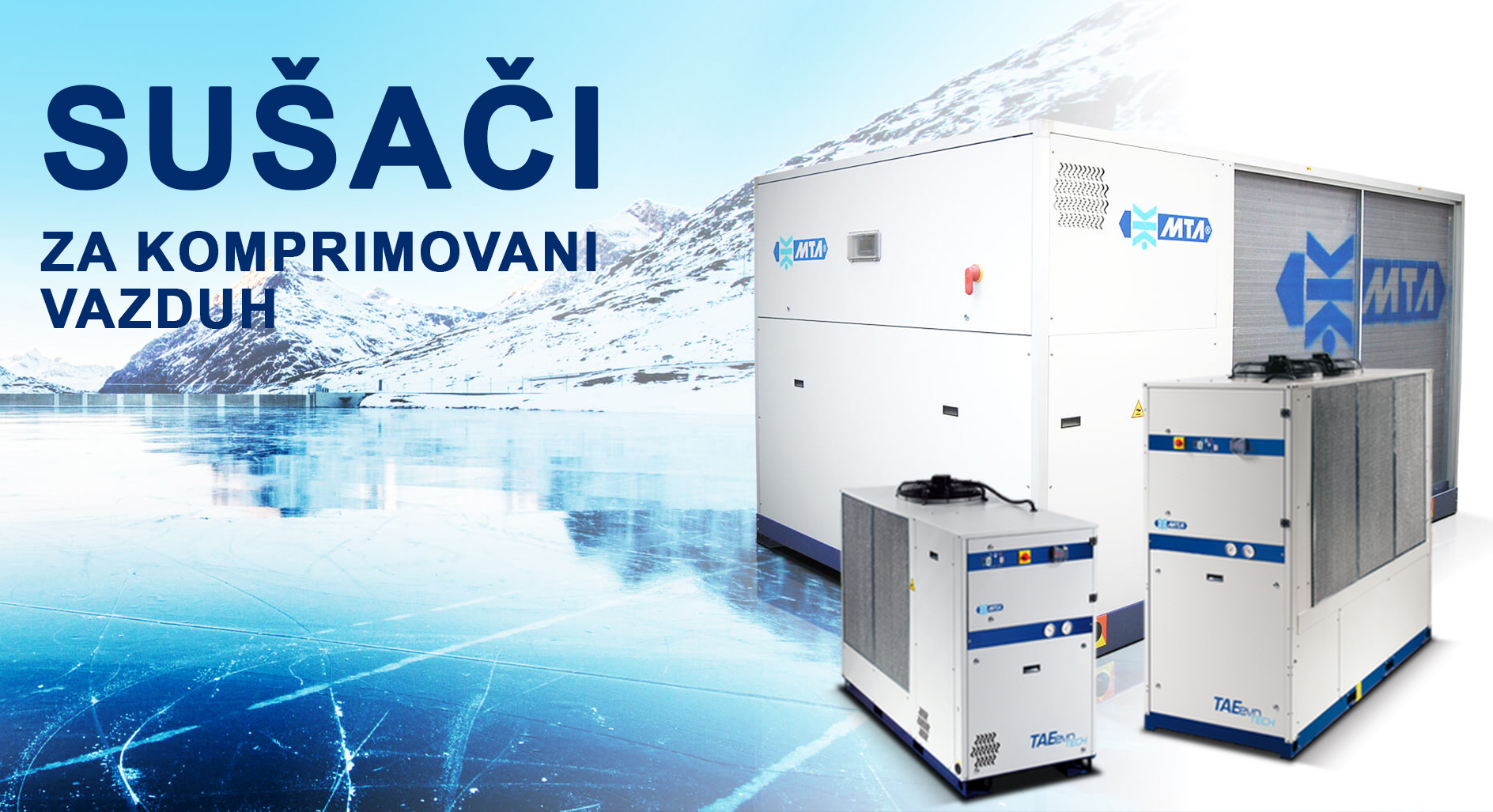
To control the dew point and ensure dry air, a refrigeration dryer is often used – and is sufficient – in most applications. Refrigeration dryers can be integrated (built into the compressor) or stand-alone.
Compressed air dryers lower the dew point of the compressed air and prevent moisture from condensing. In essence, they keep the compressed air cool and free of moisture.
As a result of compression and cooling, compressed air is saturated with water vapour and reaches 100% relative humidity. As this air passes through the cooler of the compression system, the water vapour condenses into liquid water at the dew point temperature.
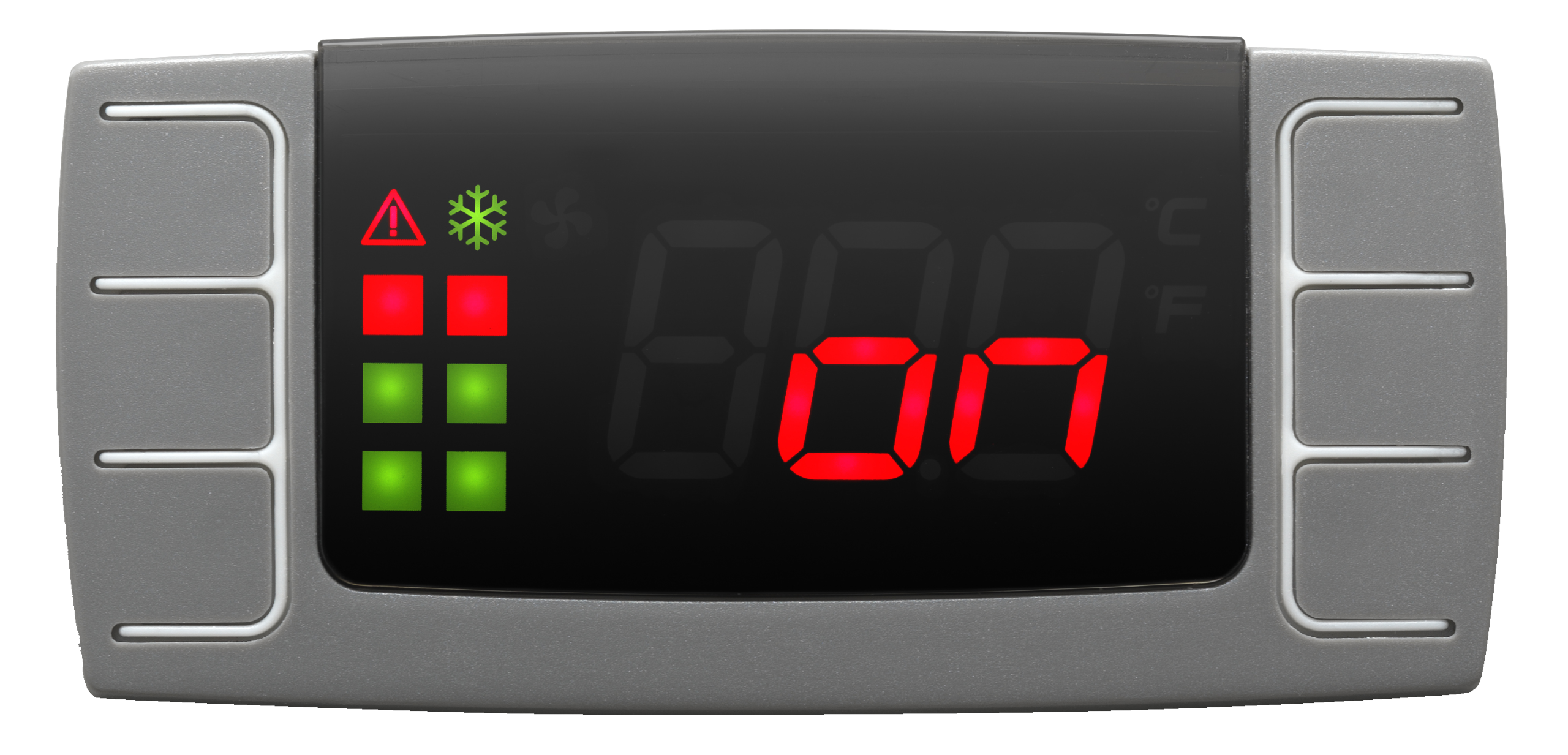
To maintain the correct level of condensation, the operation of compressed air dryers is controlled by PDP (pressure dew point) systems. They monitor the temperature at the condenser outlet and when the condenser fan switches on. PDP controllers actually read the dew point temperature and control the condensing temperature via start and stop contacts on the condenser fan.