
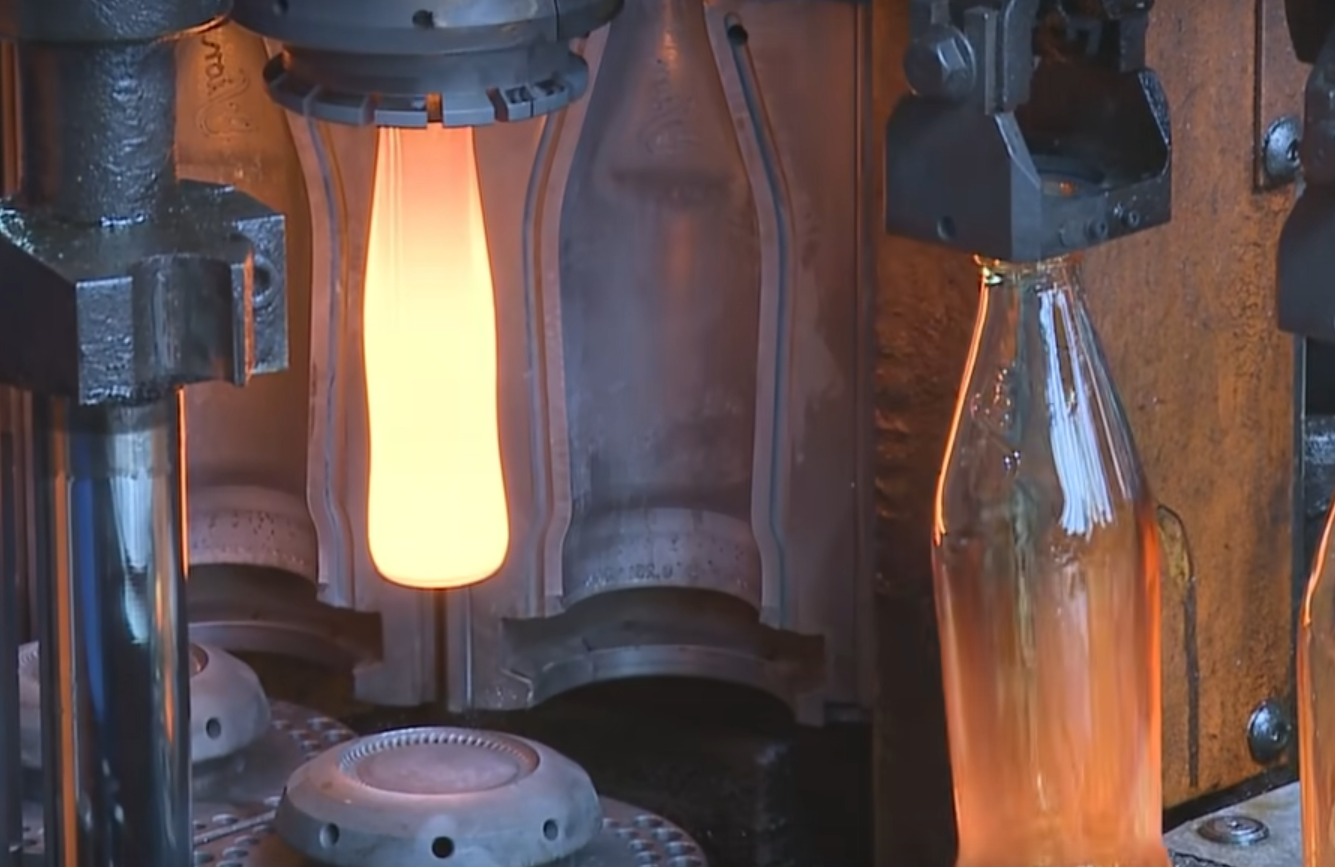
In 1899 the glass-blowing machine was invented, boosting the production of bottles that had until then been blown by hand. Cartons were invented in the 1920s, when filling drinks into bottles also began.

Juice machines were invented in the same period. After that, aluminium cans came into use, and drinks began to be bottled in the early 20th century.
01A little history…
It all started with the marketing of lemonade, sold in the 17th century by a company from Paris.
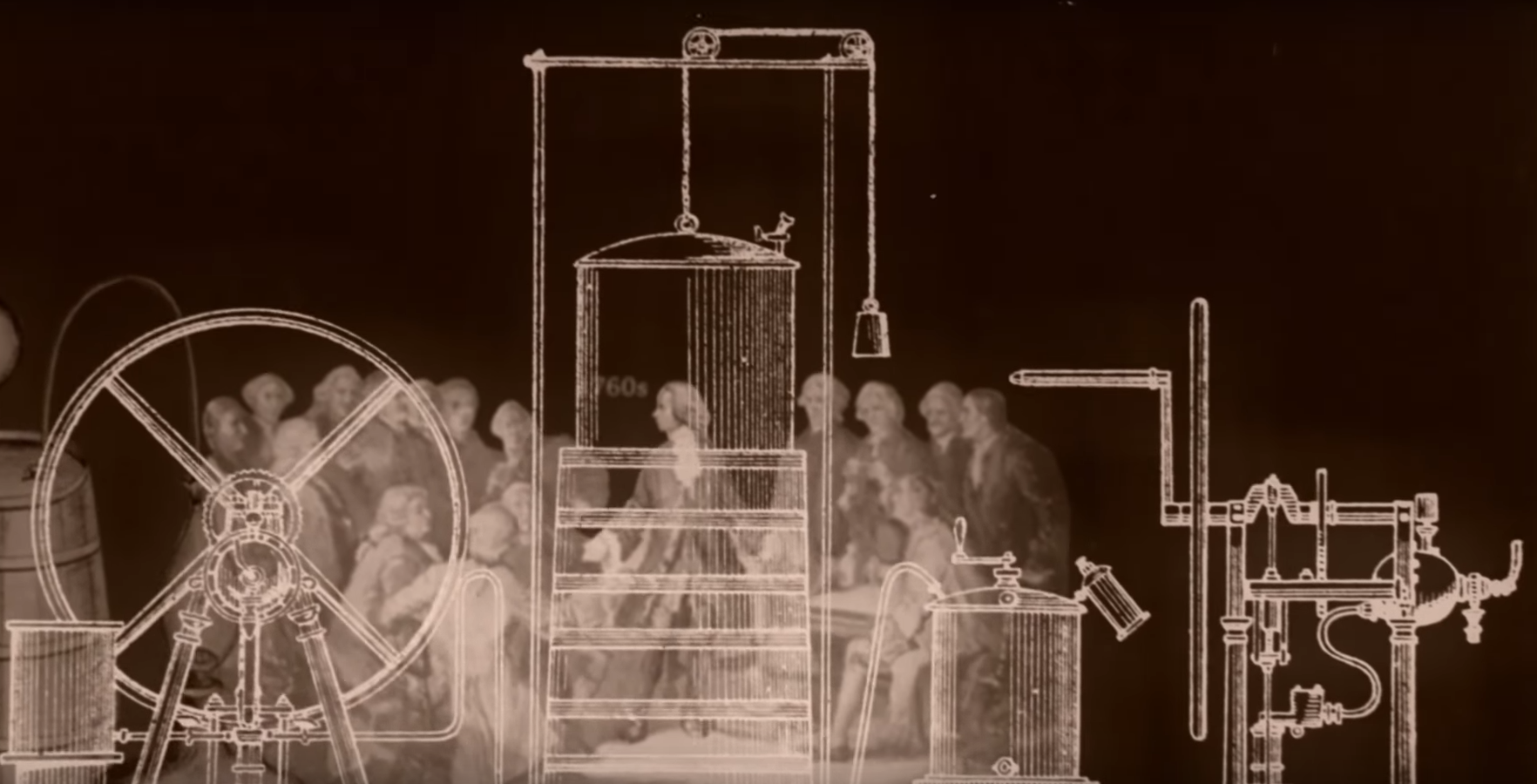
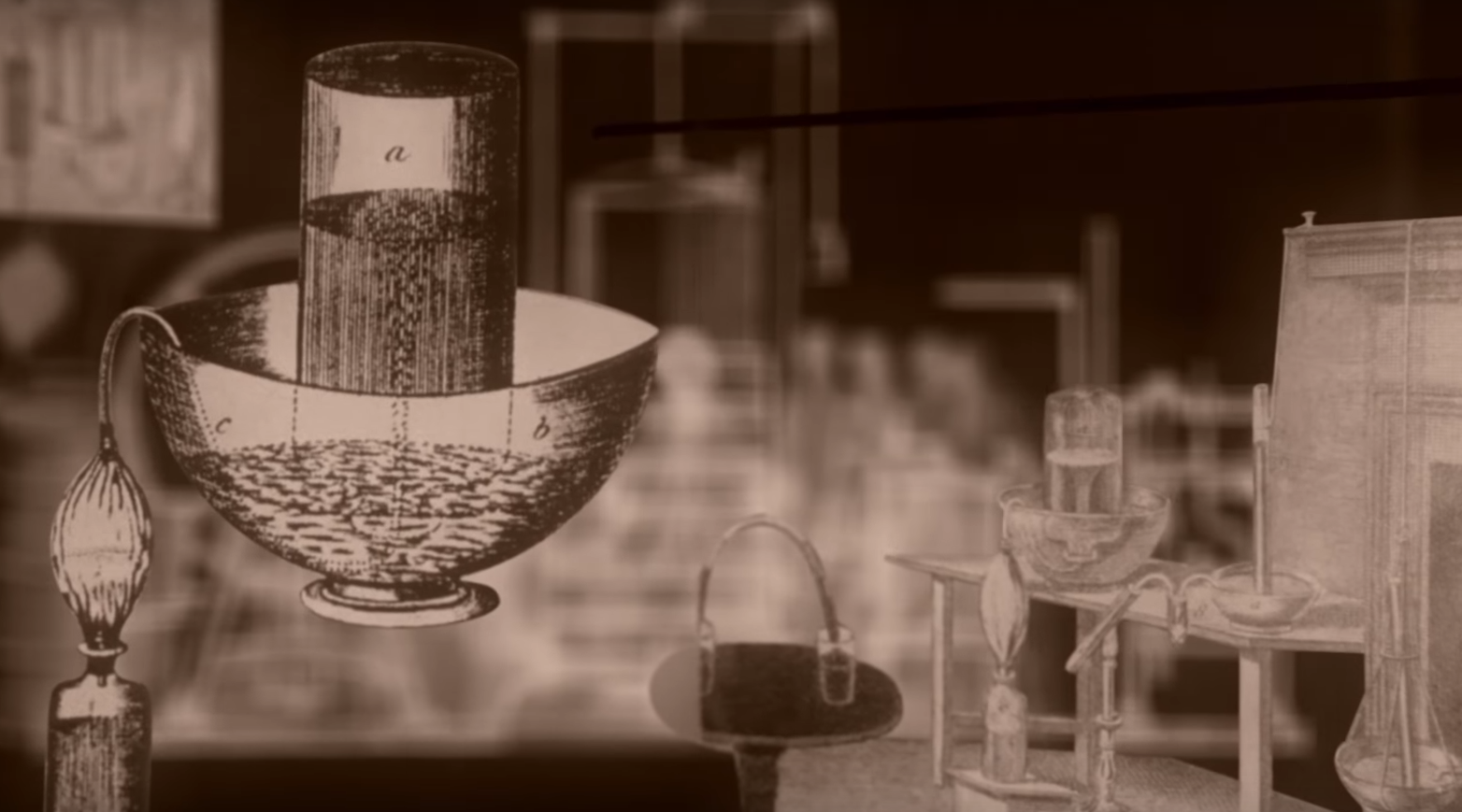
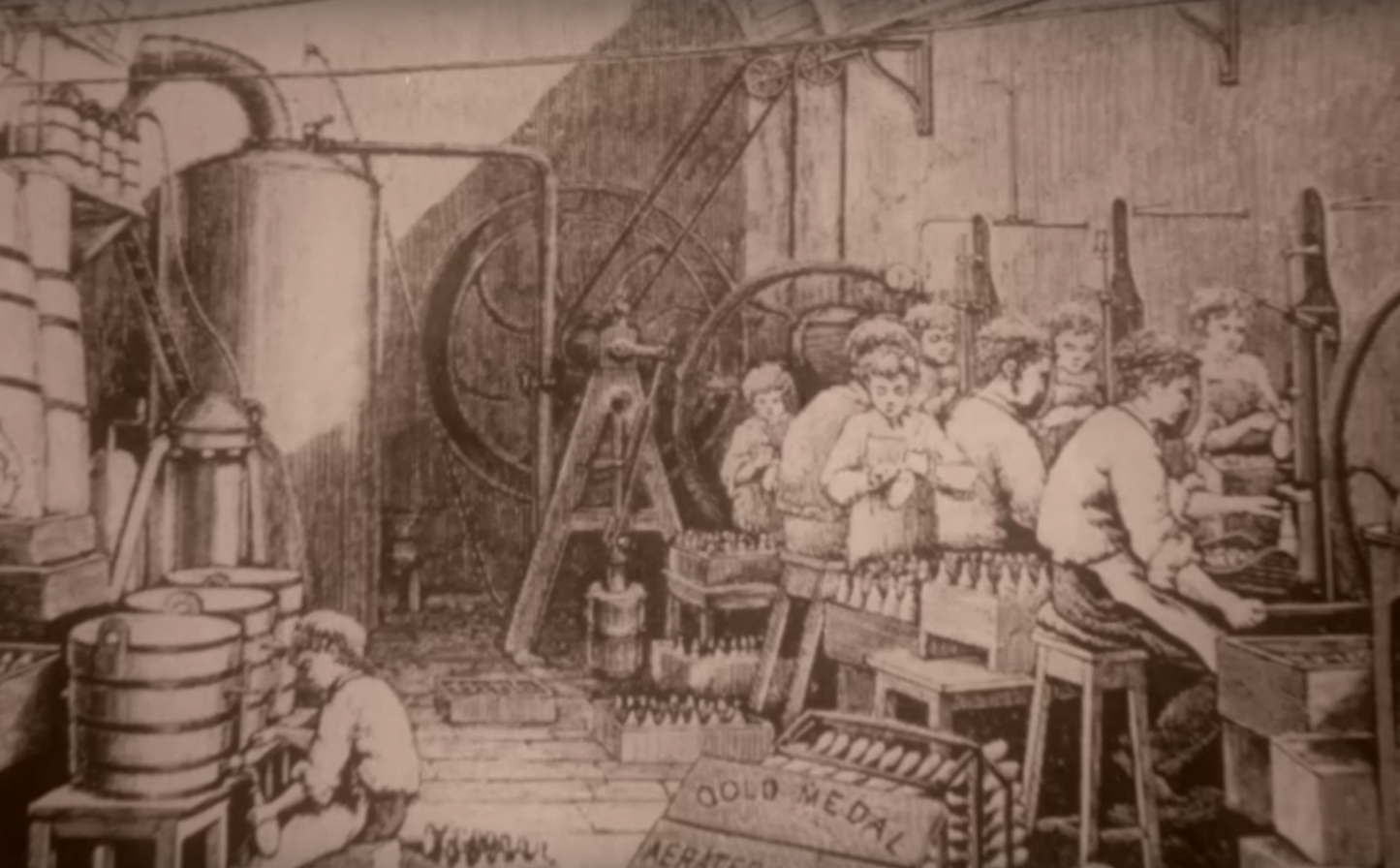
Sweetened with honey, the lemonade was carried by vendors in tanks and sold by the glass, street by street. A century later, Joseph Priestley, a multidisciplinary Englishman, invented a method of producing carbonated water that was more refined than others, with the idea of taking drinks production to a higher level. Soon afterwards, juices and other flavours were added to carbonated water.
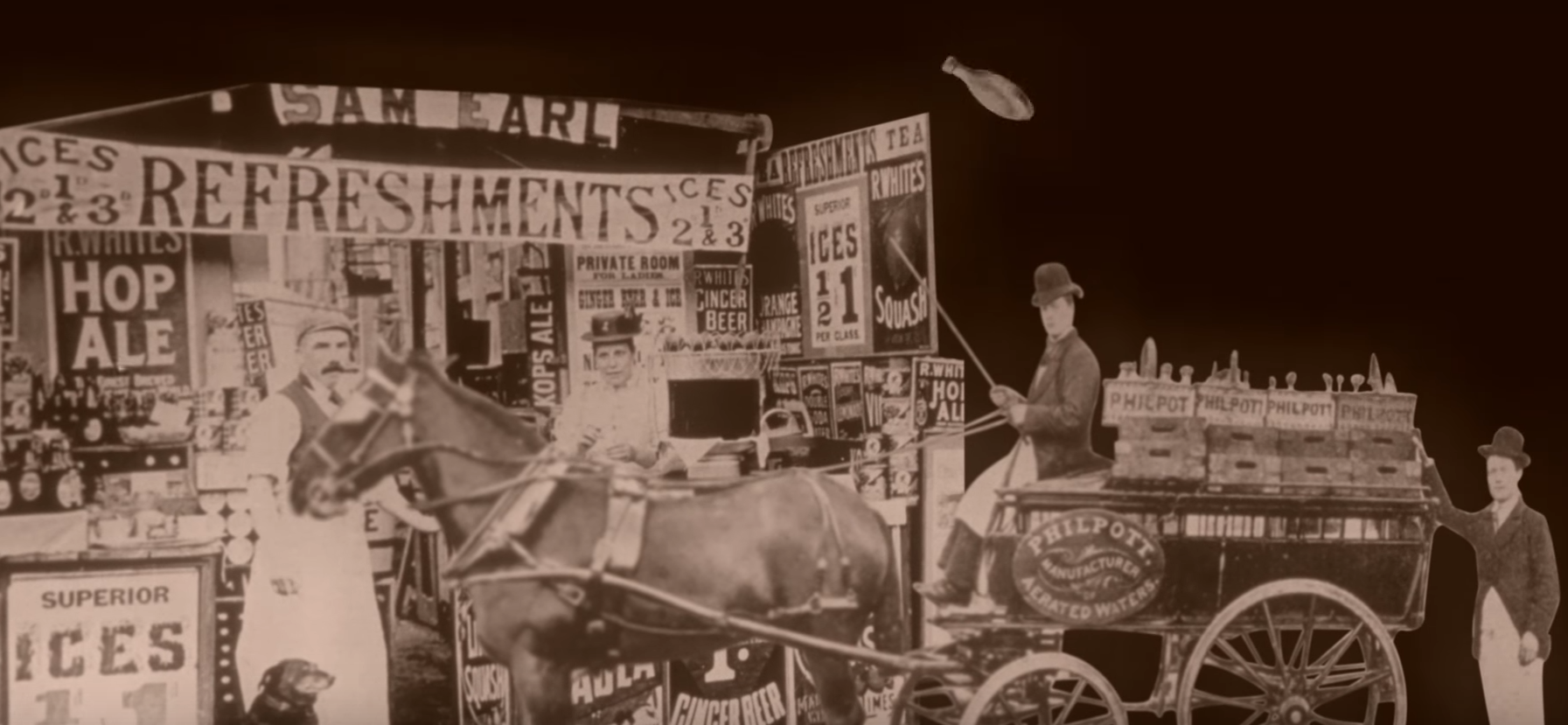
02The production process and the role of compressed air
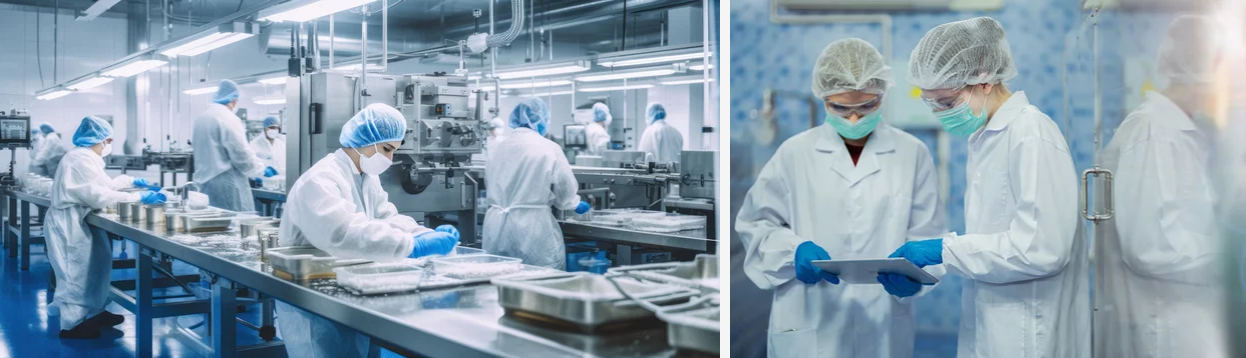
Drinks contain juices that supply us with the nutrients found in fruit and vegetables, which are good for the body when consumed in the right amounts. Juices are made by pressing and squeezing. In general, they become concentrates after pasteurisation, which removes most of the water to make storage and transport easier. To make the drinks we know, water and sugar are added back to the concentrates. The mixture is heated and stirred in large stainless steel tanks by automatic mixers driven by rotary motors, also made of stainless steel – and these motors are powered by compressed air.
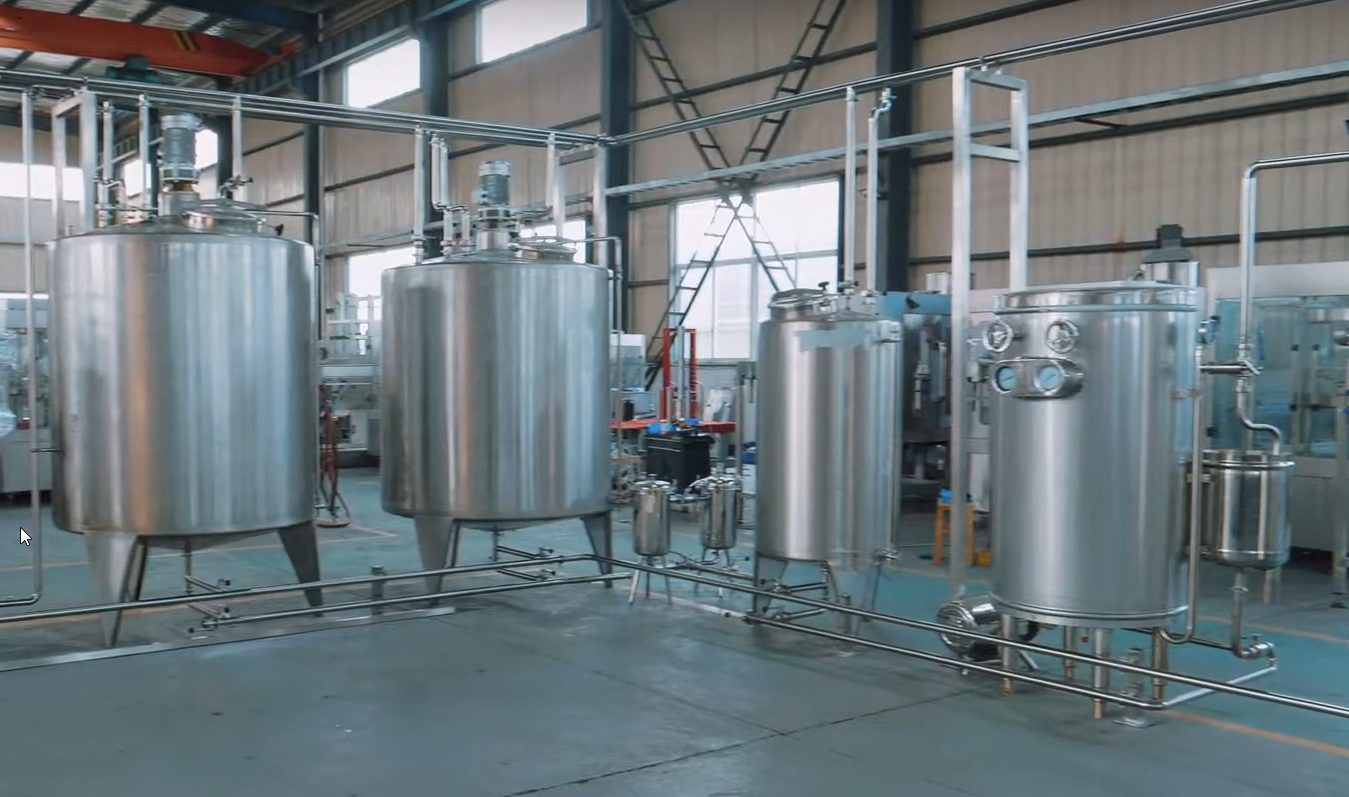
The motors are simple and lightweight. The energy of the compressed air is converted into the kinetic energy of the rotor. The rotors carry vanes in slots that rotate eccentrically inside cylinders; centrifugal force pushes the vanes outward so the juice is mixed evenly. The mixture reaches the packaging completely sterile.
From pressing, squeezing and mixing during pasteurisation or blending with other ingredients, to filling bottles, cartons and cans, compressed air plays a very important role in drinks production – from still water and juices, sparkling and still, to wine, spirits and other beverages.