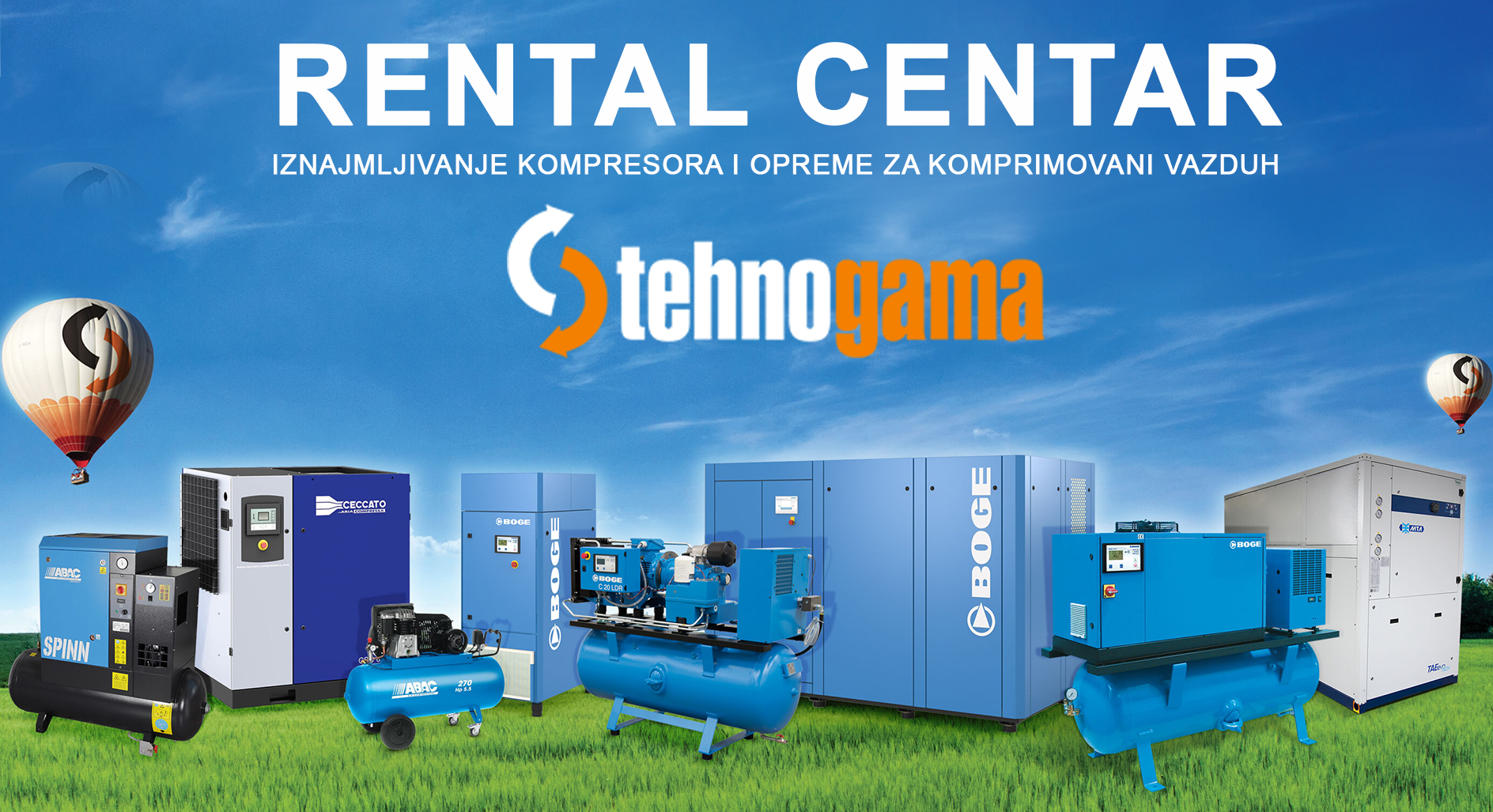

Air receivers are essential accessories in a compressed air system: they act as temporary storage to cover peak demand from consumers and help optimise system efficiency.
This additional equipment is available in different sizes (volumes) and configurations – horizontal or vertical.
Whatever the size of the compressor system, compressed air receivers offer numerous advantages for every compressed air installation:
01Compressed air storage
A compressed air receiver provides temporary storage of compressed air before it enters the piping or other equipment in the compressed air system.

02Constant, consistent system pressure
Receivers act as a buffer between the compressor and all the fluctuations caused by varying air demand, maintaining adequate system pressure (even at peak!) while ensuring a consistent supply of compressed air.
Air from the receiver is available even when the compressor is not running. This helps avoid excessive pressure and overcome short cycling.

03Less wasted compressed air
Because compressed air receivers help reduce the number of compressor cycles, the amount of compressed air “wasted” during cycle changes can be substantially reduced.
04Less condensation and moisture in the system
Although there are other solutions for improving compressed air quality (aftercoolers, compressed air dryers and similar), receivers also help reduce moisture in the whole system. Air entering the receiver undergoes a kind of pre-cooling, and the moisture released as condensate inside the receiver is collected by the condensate drain at the bottom of the receiver and removed from the system. Automatic condensate drains are especially effective here, as they discharge condensate as soon as the maximum permitted amount has collected in the drain.

05Less wear on system components
When the compressor system needs more air, the compressor motor starts and begins a new production cycle. If there is a receiver in the system, the air available from it indirectly protects the motor from excessive starts and helps reduce the number of compressor cycles. Fewer motor starts = fewer switch and contactor operations and, as a result, longer component life.